
-20250626114822937.png&w=3840&q=75)

About
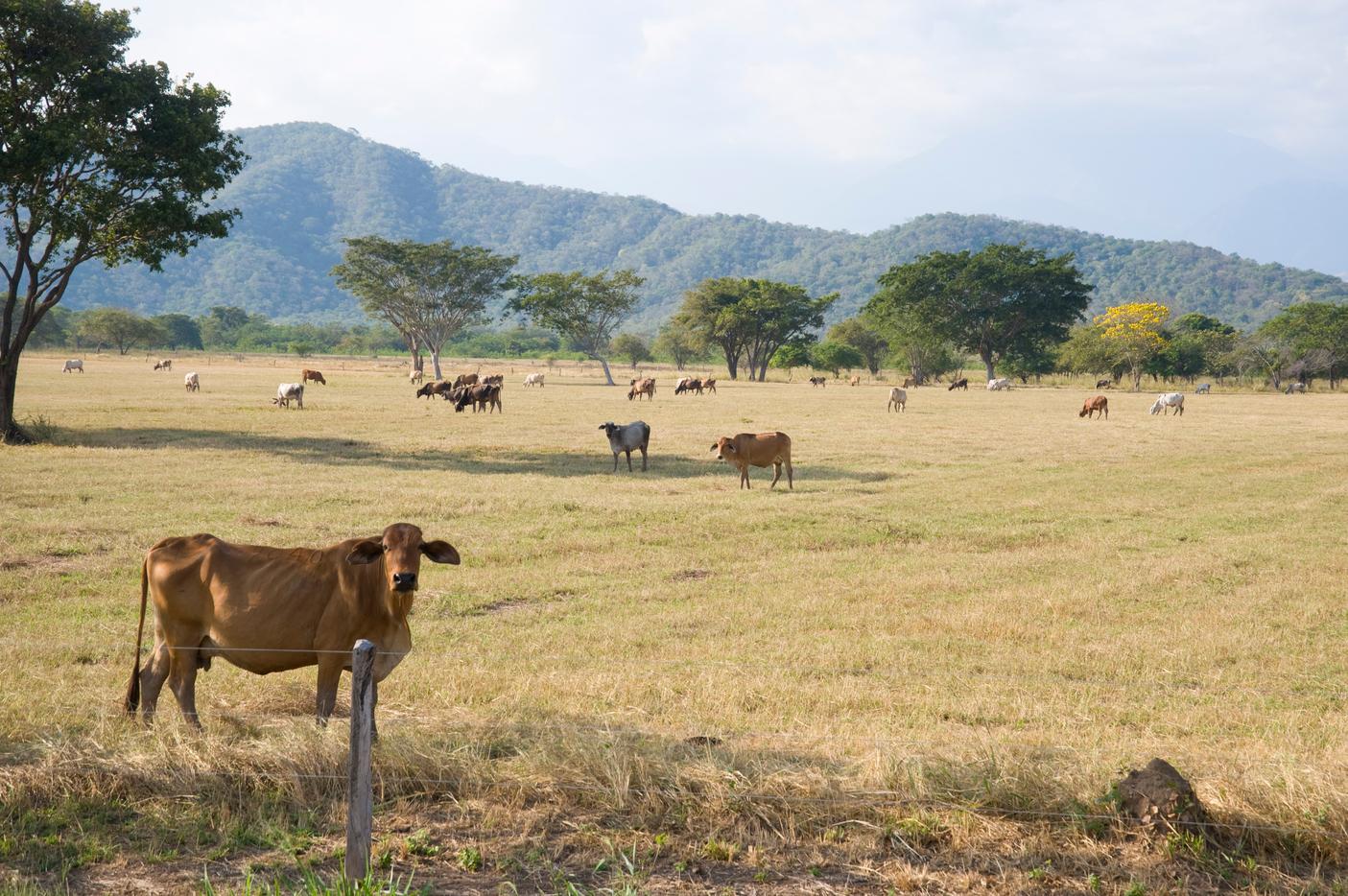
The Cesar department, in the north of Colombia, is made up of three distinct landscapes: large stretches of savanna, the Sierra Nevada mountains and dry forests and tropical humid forests. The Production Protection and Inclusion (PPI) pact in Cesar includes all coffee, cocoa and palm growing municipalities that together add up to an area of 128,419 cultivated hectares. This is approximately 54% of the total crop area according to the UPRA, Colombia's Rural Agricultural Planning Unit. The department of Cesar has an environmental protection area of 281,237 ha (12.5%) and forests and other non-agricultural cover 287,163 ha, of which 42,009 ha are National Natural Park PNN, 26,183 ha Regional Natural Park PNR, 55,190 ha of Páramo and 1,544 ha Protective Forest Reserve RFP.
The Economy
Cesar’s main commodities include mining, palm oil, dairy and beef production. Mining represents approximately 32% of the regional GDP,. Trade, hotels and repairs represent 18.9% and agriculture, livestock and fishing account for 11.7%. The department contributes 7.30% to the country's total exports. The region is beginning a process of transition from a coal-based economy to a sustainable one, giving greater relevance to agriculture and livestock as innovative and inclusive activities. The Embassy of the Netherlands has been an important partner for the region, as well as companies such as Nestlé, Alquería and Yara.
Learn more about the PPI approach in Colombia here
Landscape partnerships
National Initiatives for Sustainable and Climate Smart Oil Palm Smallholders (NISCOPS) - a partnership between IDH and Solidaridad - brings together key stakeholders to improve land use, create better incomes and promote inclusive markers.
In Colombia a multi stakeholder platform aims to ensure compliance with international standards and improve market competitiveness. In 2025, after five years of collaborative work in Cesar, a Memorandum of Understanding was signed with the University of Cesar to take over leadership of the program of work.
There are many opportunities to support this incredible landscape. Please click the ‘Contact the Initiative’ button on the left hand of the page to get in touch.