General information
Land7,407,604.95
Forest cover4,397,458 (2024)
Cropland2,105,671 (2024)
Population3,759,600 (2024)
Conveners
About
LIVING LANDSCAPES APPROACH: PROTECT, PRODUCE, RESTORE
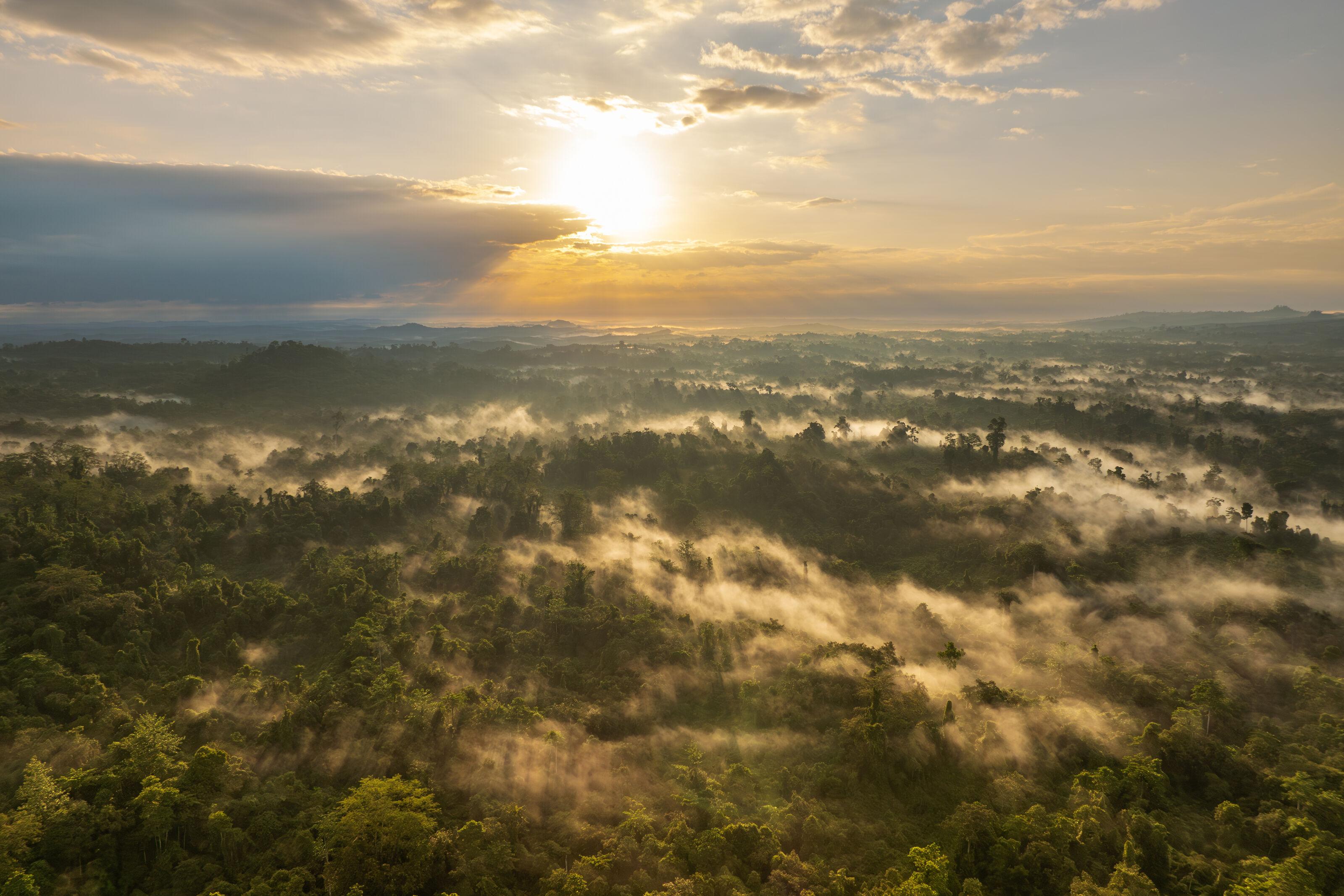
Sabah Landscapes Programme (SLP) combines conservation and sustainable development by integrating the protection of forests, wildlife and rivers, with RSPO certified production of oil palm, and restoration of ecological corridors and riparian reserves. Through the programme, WWF-Malaysia will work in the statewide and two priority landscapes such as Tabin and Tawau-Kunak.
Vision: By 2030, Sabah’s biodiversity, ecosystems services and agricultural systems are valued, protected and responsibly managed; they are climate resilient and bring benefits to both people and nature.
Project location:
- The State of Sabah, Malaysia (7.41 million ha) is in the north of Borneo Island (5.9788° N, 116.0753° E)
- Scope: Statewide and two Living Landscapes: Tawau-Kunak (383,305 ha) and Tabin (420,127 ha) Landscapes
- 3.93 million ha (53.3%) of Sabah is in the Heart of Borneo.
Conservation targets:
- Natural forest: By 2030, 50% of Sabah remain under good natural forest cover and 30% is protected OR managed as a conserved area (OECM, ICCA, HCV, etc.).
- Mangrove forest: By 2030, mangrove coverage in Sabah is maintained, contributing to coastal protection for resilience to climate change impact, habitat and food security.
- Bornean elephant (Elephas maximus borneensis): By 2030, the distribution and population size of elephants in Sabah is maintained at 1,000.
- Bornean orangutan (Pongo pygmaeus morio): By 2030, orangutan distribution and population in Sabah is maintained at 11,000.
- Bornean banteng (Bos javanicus lowi): By 2030, banteng population and distribution in Sabah increases by 10% of the baseline mentioned in the State Action Plan (2019-2028)
- Trafficked Species―Pangolin and Elephant: By 2030, trafficked species are no longer threatened by illegal wildlife trade
- Human wellbeing: By 2030, local communities are empowered through inclusive decision-making and capacity building to actively participate in conservation efforts, and benefit from sustainable livelihood opportunities.